
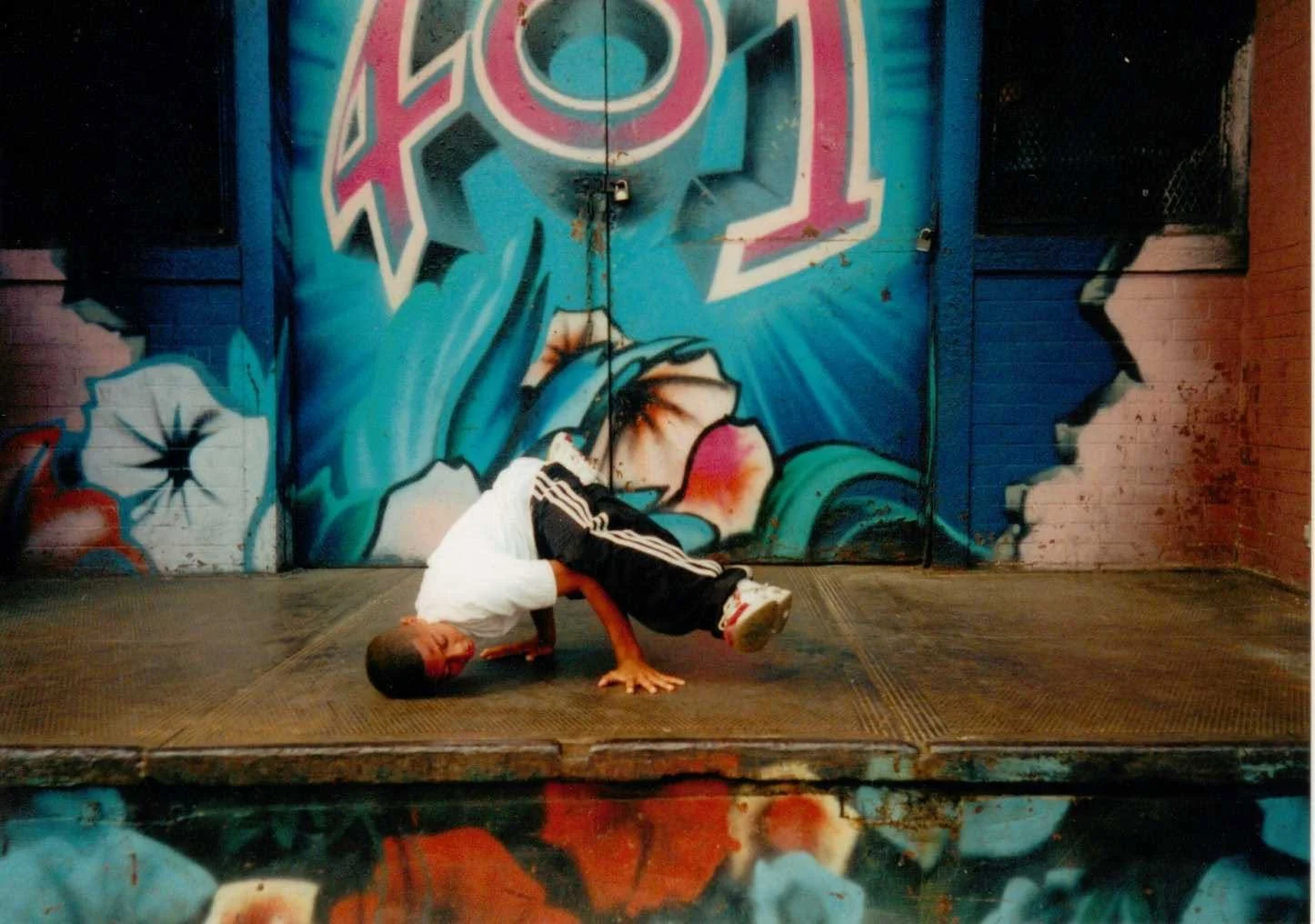
401 Rockerz
The Revival of Rhode Island Breaking in the 1990’s
The Origin of the 401 Rockerz (1995)
The 401 Rockerz were established around 1995, at the height of New England’s underground rave scene. At the time, breaking had largely disappeared from mainstream media following years of commercial exploitation. Many considered the dance style played out, viewing it as a remnant of the 1980s craze that had faded from mainstream society.
However, with breaking beginning to resurface in New York City a few years earlier, it was only a matter of time before Rhode Island caught the wave.
Breaking began making its way back into the greater Providence area around 1994. Many practitioners were searching for places to dance, practice, and connect with others who shared their passion. Underground clubs, after-hours venues, and raves provided those opportunities.
Unlike New York City and Los Angeles, Providence did not yet have an established breaking-jam circuit. Most of the original dancers from the early 1980s were no longer actively involved in this new wave. Instead, the revival was developing organically in underground venues, fueled by young dancers discovering the culture for themselves.
VHS Tapes, Mixtapes, and the Underground Hip-Hop Scene
During this period, popular breaking VHS tapes circulated underground among dancers and hip-hop enthusiasts. Breakbeat mixtapes, cassette recordings, and videos were also sold at POAM Action Wear, a hip-hop clothing store with two locations: one in Pawtucket, Rhode Island, and another in downtown Providence.
The store also sold underground, raw b-boy videos that offered young dancers a glimpse into the reemerging breaking culture, particularly the movement taking place in New York City.
Combined with the music, the videos, and stories passed down through oral tradition by older dancers, these resources helped educate a new generation of 1990’s breakers about the history and techniques of the culture.
Several clubs and after-hours venues became gathering places for breakers and other members of the underground dance community, including:
Club Babyhead
The Living Room
The Black Repertory company, where Round Midnight, an all-encompassing hip-hop event, was held on Friday nights
Club Therapy
Various underground raves and house parties
These venues helped create the environment in which Providence’s new generation of breakers could practice, exchange ideas, and develop their skills.
Jesse “TKO” Mouio: The Formation of a New Crew
At the time, Jesse “TKO” Mouio was a young, 20-year-old rave DJ, house dancer, and breaker. He was deeply connected to the local underground scene and shared dance floors with house dancers and breakers traveling from Boston, Maine, Connecticut, and other parts of New England.
TKO was looking to form a crew of his own.
His search eventually led him to a place known as Everett Stage, commonly referred to as the Carriage House, on the East Side of Providence.
The Carriage House was owned by a wonderful family of actors, ballet dancers, and production artists. Having heard about the reemerging breakdance culture in the city, they were eager to find a breaker who could teach classes at their facility.
TKO arrived at their doorstep and was immediately hired to teach breakdancing classes.
Through these classes, he met several young Asian and Latino youth, primarily from the mid-city that peaked his attention. He also reconnected with dancers he already knew from the club scene, including Mankato “Kato” Saloio, Bobby “Footluz” Daluz, Gabe Parquet, Pete Olabri, Mathew Kohanski, and others.
As TKO began teaching at the Carriage House, he was introduced to this younger group of breakers who were eager to learn. These kids would eventually become the foundation of his new crew.
The Original 401 B-Boy Rockers
The young B-boys, roughly between 10 and 14 years old, were already involved in writing graffiti, dancing, and participating in the local underground scene. They lived in the mid-city area of providence known as the Smith Hill section.
They included:
Soukane “Kid Reckless” Keo
Bebe, Kid Reckless’s younger brother
Sitha “Krabby” Meas
Russell Cartagena
Sal “Lil Sal” Aquino
TKO took them under his wing. With an established practice space, support for performances through the Carriage House, and access to the necessary resources, he was able to organize the group, develop its skills, and arrange performances.
Because TKO was also a DJ, he created the music for the crew’s showcases.
And so, the 401 B-Boy Rockers were born.
Kato and Footluz, who were already dancing and rocking together, naturally became part of the lineup. The crew’s early years burned brightly, with the Carriage House regularly providing practice space and performance opportunities supported through city grants.
TKO was responsible for the crew’s creative development, helping the young dancers refine their abilities and prepare for performances and battles.
The original roster consisted of:
Jesse “TKO” Mouio
Soukane “Kid Reckless” Keo
Bebe
Sal “Lil Sal” Aquino, who was only 10 years old
Sitha “Krabby” Meas
Russell Rock
Mankato “Kato” Saloio
Bobby “Footluz” Daluz
This original lineup battled and performed throughout 1995 and 1996, establishing the foundation of what would become one of Providence’s most recognizable breaking crews of the decade.
Daddy Long Leggs Joins the Crew (August 1996)
In August 1996, a young 15-year-old from Providence’s East Side, soon to become known as Daddy Long Leggs, learned about the crew through his younger brother after attending a performance at a neighborhood park.
Living just around the corner from the Carriage House, he was close to the very place where the crew practiced and developed its skills.
As fate would have it, an opportunity to join the group soon presented itself.
By early summer, Footluz had left to join the Navy, creating an opening in the lineup. In late August, the young dancer auditioned for the crew. Ironically, the group was practicing for a performance at the same park later that day.
During the audition, Kid Reckless jokingly referred to him as Daddy Long Leggs, a nickname inspired by his tall, lanky appearance.
The name stuck, and he became the newest member of the 401 Rockerz.
Later that fall, his younger brother, Joe “Joeskee” Hector, who was 12 years old, and their neighborhood friend, Leeron “Kid Flex” Silva, who was 11, joined the crew in September 1996. Joe was well received and liked by the crew due to his charismatic nature and high energized acrobatic energy.
The Carriage House continued providing practice space and performance opportunities under TKO’s direction.
By this time, the venue had become a gathering place for young breakers from different parts of Providence. Dancers from various neighborhoods and crews regularly came to practice and exchange knowledge.
Every Tuesday and Thursday afternoon, the Carriage House hosted breaking sessions, helping nurture the growing community and creating a space where young dancers could develop their skills.
The 401 Rockerz Take New York City (1997)
In the winter of 1997, the 401 Rockerz began traveling back and forth to New York City to attend popular b-boy jams they had heard about through the underground scene.
These trips would help put Rhode Island on the breaking map and establish connections that would influence the crew for years to come.
The young dancers were quickly welcomed into the New York hip-hop community, building friendships with pioneering figures and connecting with other young crews that were making names for themselves.
The Hunts Point Bronx Battle: February 15, 1997
One of the most significant moments in the crew’s early history occurred on February 15, 1997, during its first trip to the Bronx.
The 401 Rockerz, under the direction of Richard “Crazy Legs” Colón of the legendary Rock Steady Crew, faced The Breaks Kru, a Brooklyn-based crew being taught breaking and uprock by Ralph Casanova, better known as King Uprock (RC), and Break Easy of the Dynasty Rockers.
According to the crew’s history, the matchup developed from a friendly wager between Crazy Legs and King Uprock. Crazy Legs believed that the dancers under his guidance could defeat the young crew being trained by RC and Break Easy.
Crazy Legs recognized considerable talent in the 401 Rockerz and invited them to help support his junior crew of young b-boys, whom he was teaching at the Hunts Point Community Center.
The 401 Rockerz brought additional experience, energy, and firepower to the encounter, contributing to a memorable chapter in the crew’s early New York City connections.
For the young dancers from Providence, these experiences provided opportunities to learn directly from established pioneers, test their skills against talented peers, and become part of a larger breaking community.
New Members and the Next Generation (Spring 1997)
In the spring of 1997, the 401 Rockerz welcomed several new members who brought fresh talent and energy to the crew.
One of the most notable additions was Tammie “Lady Luvbug” Keo, the younger sister of Kid Reckless and Bebe. The two brothers had secretly been training her behind closed doors before she joined the crew.
At just 11 years old, Tammie eventually became known as Tam-Rock. Her cute style and impeccable skill was immediately noticed and celebrated in New York by fellow dancers and pioneers alike.
Another young addition was Manuel “Flex-Roc” Texeira, who was only 10 years old when he joined. He was introduced to the crew by his longtime friend, Kid Flex. Flex-Roc was highly flexible and could also pop well.
Both Tam-Rock and Flex-Roc quickly established themselves as talented young breakers from Providence.
Tam-Rock became the crew’s only female member during this period, representing a significant part of the next generation of the 401 Rockerz.
Another member, Damien “As-oner” Brown, a 21-year-old lone wolf solo dancer known for his unique style, also joined during the early spring of 1997. Recruited by Reckless, As-oner brought another distinctive layer of flavor to the crew’s lineup.
By this time, the 401 Rockerz were beginning to move beyond TKO’s direct leadership as he prepared to relocate to China to teach dance and DJ at venues in the Far East.
Although TKO was preparing to leave, the crew maintained its close relationship with the Carriage House. Meanwhile, Rhode Island’s breaking scene continued to grow, with more dancers discovering the culture and joining the movement.
The Film “Tax Day” (Summer 1997)
In the summer of 1997, the 401 Rockerz filmed a cameo appearance for the independent film Tax Day, directed and produced by Laura Collela, who had close ties to the Carriage House.
The film went on to win awards and was screened at various film festivals and independent movie theaters throughout the United States.
The production featured a flash-dance-style sequence showcasing members of the 401 Rockerz, alongside members of the 1990s lineup of Return to Burn (RTB) and POAM Action Wear (Prospectors on a Mission) including Paris Fisher and Magic Glove.
Some of the individuals associated with POAM were veteran breakers from the Providence area and former members of RTB during the 1980s.
The appearance brought together dancers from different generations of Rhode Island’s hip-hop community, capturing a moment when the old guard and the new wave were contributing to the same cultural movement.
For the 401 Rockerz, the film represented another opportunity to showcase their skills and help document Providence’s underground breaking scene. The movie was released in 1998.
Touring, Battles, and Television Appearances
Throughout 1997, the 401 Rockerz continued traveling, battling, performing showcases, and appearing in television commercials.
They expanded their network by connecting with crews from New York City, Connecticut, Massachusetts, and Washington, D.C.
By this period, the crew’s lineup included:
Daddy Long Leggs:
Joe “Joeskee” Hector
Bobby “Footluz” Daluz
Leeron “Kid Flex” Silva
Manuel “Flex-Roc” Texeira
Tammie “Tam-Rock” Keo
Soukane “Kid Reckless” Keo
Bebe aka DEPS
Marc Carvalho.
Meanwhile, Sal “Lil Sal” Aquino had moved to Boston with his family, while Kato, Krabby, and Russell Rock had disappeared from the active dance scene.
Jesse “TKO” Mouio relocated to China by the winter of 1997, leaving the crew to continue developing independently.
Despite these changes, the 401 Rockerz continued to represent Providence and Rhode Island wherever they traveled.
The Crew Splits (Summer 1998)
By the summer of 1998, the 401 Rockerz had reached a turning point.
Various creative differences and internal disagreements led to the crew splitting into separate groups.
Daddy Long Leggs, Joe “Joeskee” Hector, Leeron “Kid Flex” Silva, and Manuel “Flex-Roc” Texeira went their own way, while Reckless, Bebe, and Tam-Rock pursued a different direction.
Footluz and As-oner remained neutral and continued doing their own thing.
Although the original crew had fractured, its members continued dancing and representing the culture in their own ways.
Daddy Long Leggs began developing a new offshoot crew with younger recruits he had met through his connections with Kid Flex and Flex-Roc.
Meanwhile, Joeskee eventually stepped away from dancing.
Daddy Long Leggs and As-oner also explored the possibility of collaborating on a new group venture. Through their connections with some pioneering dancers in Washington, D.C., they participated in jams in the Virginia/D.C. Area and explored opportunities in media production. This was in 1999.
The split marked the end of the 401 Rockerz’ original unified era, but it did not end the individual journeys of the dancers who had helped build the crew.
The Loss of Joe “Joeskee” Hector and the Reunion (2001)
In 2001, members of the 401 Rockerz reconnected following the tragic and untimely passing of Joe “Joeskee” Hector on September 23, 2001.
According to the crew’s account, Joeskee was killed in a mistaken-identity drive-by shooting connected to longstanding, senseless gun violence between individuals associated with Providence’s East Side and South Side.
His death was a devastating loss for his family, friends, and fellow dancers.
In December 2001, Crazy Legs organized a memorial b-boy jam at the Hunts Point Community Center in Joe’s honor. He invited Daddy Long Leggs and Tam-Rock to host and judge the event alongside members of the Rock Steady Crew.
The memorial provided an opportunity for the community to honor Joeskee’s life and celebrate the culture that had brought the dancers together.
The 2006–2011 Reunion Period
Following Joeskee’s passing, members of the 401 Rockerz briefly reunited. Between approximately 2006 and 2011, the crew participated in selected performances and appearances.
This lineup included Daddy Long Leggs, Footluz, Kato, Reckless, Kid Flex, and Flex-Roc.
Meanwhile, Tam-Rock and Bebe had relocated to the Bronx in 2005.
Although the reunion brought several members back together, the group never fully returned to the form it had during its earlier years.
By then, the members were scattered, many had taken on adult responsibilities, and some were no longer actively dancing.
Nevertheless, the legacy and contributions of the 401 Rockerz had already become part of Rhode Island’s hip-hop history.
Life After the 401 Rockerz
Daddy Long Leggs and Leggwork Productions
In 2007, Daddy Long Leggs founded Leggwork Productions and devoted much of his time and energy to teaching, education, and community outreach. He had started teaching professionally in 2004 and needed a name for his company, he decided to use his very namesake for the idea.
He worked with schools and community centers, helping introduce younger generations to breaking and hip-hop culture while continuing to develop his own dance craft.
His work represented a continuation of the mentorship that had helped shape his own journey as a young dancer at the Carriage House.
Footluz Returns to Rhode Island
In 2007, Footluz returned to Rhode Island after completing his time in the Navy. By then, he was also pursuing a boxing career. Reckless who had briefly relocated to North Carolina for a few years, also returned to Providence around that time.
He, Daddy Long Leggs, Reckless, and other members continued catching up and dancing together from time to time, maintaining the friendships and connections forged during their years in the crew. The group performed some small shows and club appearances between 2006-2011.
TKO Returns to Rhode Island
In 2011, Jesse “TKO” Mouio returned to Rhode Island and reconnected with Daddy Long Leggs at his private Leggwork studio.
Their reunion brought together two figures from different stages of the crew’s history: the original leader who helped establish the 401 Rockerz and one of the young dancers whose life had been shaped by that experience.
Legendary Battles of the 401 Rockerz
Throughout its history, the 401 Rockerz participated in numerous battles that helped establish the crew’s reputation throughout New England and beyond.
These encounters remain part of the oral history surrounding Providence’s 1990s breaking scene. Some were filmed and well documented.
Notable battles recalled by the crew include:
401 Rockerz vs. The Wild Style Crew — Connecticut, 1996; exact location unknown.
401 Rockerz vs. The Floor Lords — Club Babyhead, downtown Providence, 1996.
401 Rockerz vs. U.F.O. — U.F.O another local b-boy crew.
401 Rockerz vs. The Floor Lords (#2) — The Living Room, Providence, Rhode Island, June 1997.
401 Rockerz vs. Chaps Crew aka Return to Burn (RTB) — the 1990s lineup, Carriage House, April 1997.
These battles reflected the competitive spirit of the era, when crews tested their skills, defended their reputations, and built lasting relationships through breaking.
For the young dancers representing Providence, every battle was an opportunity to learn, improve, and demonstrate that Rhode Island belonged on the broader breaking map.
The Legacy of the 401 Rockerz
The story of the 401 Rockerz is an important chapter in Providence, Rhode Island’s hip-hop and breaking history.
Emerging during a period when breaking had largely disappeared from mainstream attention, the crew helped sustain the culture through underground venues, community-based instruction, independent performances, regional battles, and connections with pioneering dancers in New York City and beyond.
The Carriage House provided more than a place to practice. It offered young dancers a supportive environment where they could develop their skills, build friendships, and become part of a larger creative community.
Under the early direction of Jesse “TKO” Mouio, the original 401 B-Boy Rockers developed into a crew that would travel, compete, perform, and help introduce Rhode Island’s emerging generation of breakers to the wider hip-hop world.
As the crew evolved, members such as Daddy Long Leggs, Reckless, Joeskee, Footluz, Kid Flex, Flex-Roc, and Tam-Rock each contributed to its story in different ways.
Their experiences reflected the realities of underground dance culture: close friendships, intense competition, creative disagreements, personal losses, reunions, and the continued pursuit of artistic expression.
Even after the original lineup separated, the influence of the 401 Rockerz remained visible through the dancers who continued performing, teaching, mentoring, and preserving the culture.
Their legacy stands as a testament to the determination of a generation that helped keep breaking alive in Rhode Island during the 1990s and carried it forward into the decades that followed.
Respect to the pioneers, the original members, and every dancer who helped build the foundation of Rhode Island’s breaking culture. The 401 Rockerz remain an important part of the Ocean State’s hip-hop history.
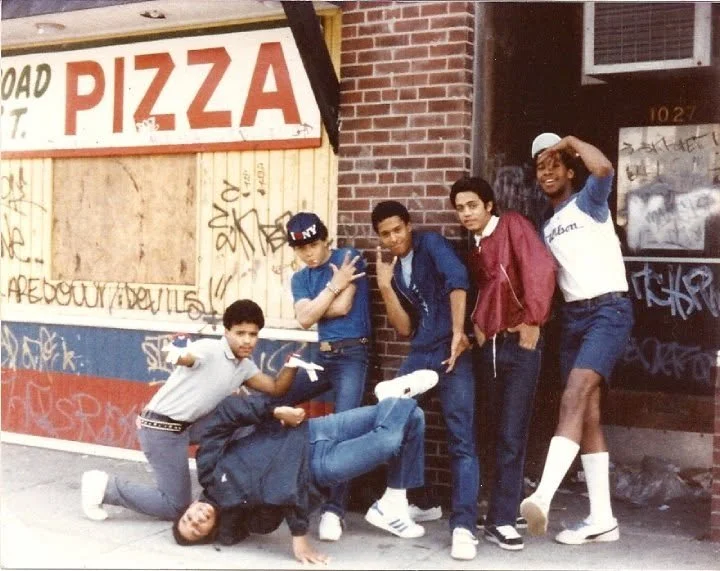
1980’s RI B-Boy History
Original Breaking crews from Providence in the early days!
Top Master Crew (TMC): Origins and History
Top Master Crew (TMC) was a pioneering hip-hop and breakdancing (breaking) crew from Providence, Rhode Island, founded in the early 1980s. The crew originated primarily on Providence’s South Side, particularly around the Broad Street area.
History and Founding
Established in 1981, Top Master Crew became one of the earliest foundational breaking crews in Rhode Island’s hip-hop history.
Joey “Juice” Costa, associated with New York City’s TC5, initially founded the crew alongside Leo. Although Juice and Leo established TMC, the presidency was immediately granted to Dennis “Elf” Pacheco.
As the crew developed, its members established deep connections throughout the regional hip-hop circuit of the 1980s, including ties to legendary New York City factions such as the Rock Steady Crew and TC5.
Alongside other pioneering local crews, including the Furious Rockers (Providence chapter, established in 1981) and Return to Burn (RTB) (established in 1982), TMC helped lay the groundwork for what would become a resilient, decades-long breaking scene in the Ocean State.
Historical Significance and Legacy
Top Master Crew is recognized as one of Rhode Island’s three principal pioneering breaking crews, helping establish the foundation of the state’s early hip-hop dance culture.
Crew Details
Crew Name: Top Master Crew (TMC)
Founded By: Joey “Juice” Costa and Leo
Year Established: 1981
Location: South Side, Providence, Rhode Island
First President: Dennis “Elf” Pacheco
Historical Significance: One of Rhode Island’s earliest foundational breaking crews
Era: Early 1980s New England hip-hop and breaking movement
TMC emerged during the first wave of breaking in New England, alongside regional pioneers such as Boston’s Floor Lords and fellow Providence crews, including the early members of Return to Burn.
Original Members and Early Roster
The original early-1980s roster of Providence’s Top Master Crew featured several prominent pioneering New England b-boys.
Archival records and community histories from the early hip-hop era identify the following individuals as members of the crew:
Joey “Juice” Costa
Leo
Fernando “Albino Rock” Valiente
Johnny “ZAM” Soto
Dennis “Elf” Pacheco
Gary “Gary Crack” Wallace
Adolph “Adee-Rok” Peralta
Ponch
Larry Love
Billy Shavers
Blask
Joe Hammer
Domingo Monteiro
Jerry “Oz-Rock” Alvarez
Daddy Long Leggs (Inducted in 2010 By Johnny Soto)
The roster also included many other dancers who contributed to the crew’s history and legacy.
Honorary Members and New York City Connections
Doze Green and Seen, both associated with TC5 in New York City, were honorary members of TMC.
During this period, Doze and Seen traveled between New York City and Rhode Island to pursue graffiti writing. Their connections with Juice also helped establish relationships with Providence-area breakers, strengthening the ties between the New York and Rhode Island hip-hop communities.
These connections reflected the close relationships that developed among early hip-hop pioneers across state lines during the 1980s.
Leadership, Loss, and the Attempted Revival
Although Juice and Leo founded TMC, the presidency was immediately granted to Dennis “Elf” Pacheco. Juice passed away a few years on October 13th 2023.
Elf died in 1988 as a result of street violence, marking a tragic chapter in the crew’s history.
After years of dormancy, Johnny “ZAM” Soto attempted to revive TMC in 2010 and was serving as its president at that time. A decorated Providence Police Officer, Sadly, Johnny also passed away in October 2010.
Before his passing, Johnny and his cousin, Fernando “Albino” Valiente, met Daddy Long Leggs in May 2010. They took a liking to him and officially welcomed him into the crew.
Plans were discussed for a new chapter and the revival of TMC, but those plans never came to fruition.
Despite these losses and the crew’s eventual dormancy, the legacy of TMC continues through the memories, stories, and contributions of its original members and the broader Rhode Island hip-hop community.
Jerry “Oz-Rock” Alvarez: From Providence to Hollywood
Jerry “Oz-Rock” Alvarez was a dancer known from the East Coast to the West Coast. Born in New York City, he moved to Providence, Rhode Island, as a young child.
His father was a schoolteacher who eventually became superintendent of the Providence school system. A funny story of legend was that Mr. Alvarez caught his son on the top of Central High school in Providence with his boombox during school hours, practicing his dance craft. His dad took his radio and threw it off of the roof of the school where it shattered into a million pieces, and then marched Oz-Rock back to class.
During the early 1980s, Oz-Rock spent time in Providence as a member of Top Master Crew before moving to Los Angeles to pursue film roles and other opportunities. He eventually settled in Miami, Florida.
Throughout his career, Oz-Rock was associated with several crews across New York City, Providence, and Los Angeles, reflecting the far-reaching connections of the early breaking scene.
His film credits included appearances as a street dancer in The Pilot (1984) and Body Rock (1984), and several music videos among other accomplishments.
Oz-Rock’s journey from Providence to the West Coast and beyond illustrates how the early hip-hop movement connected local pioneers to a much larger national culture.
The Interstate 95 Rivalry: Providence vs. Boston
Early-to-Mid-1980s Competitive Battles
One of the most prominent competitive tensions for Rhode Island’s breaking crews during the 1980s involved crews from Massachusetts, particularly Boston.
Boston’s Floor Lords were a major force in New England breaking. Providence crews such as TMC frequently traveled north or hosted visiting dancers to defend their home turf and exchange rounds.
These encounters allowed dancers to demonstrate their skills, test their styles against regional competition, and establish which city had the faster footwork, sharper power moves, and strongest overall presence.
The rivalry between Providence and Boston became part of the competitive culture that helped shape the early New England breaking scene.
Local Providence Cyphers and Early RTB Connections
The Battle for Rhode Island Supremacy (1981–1985)
Before local crews became more formally established, street-level rivalries and spontaneous battles were a regular part of Providence’s emerging hip-hop culture.
Led by Elf, TMC competed in informal cyphers against dancers from rival neighborhoods throughout Providence.
Dancers who would later form or affiliate with early versions of Return to Burn (RTB) frequently crossed paths with TMC members in local school gymnasiums, outdoor park jams, and other community gatherings.
These encounters helped establish the competitive relationships, friendships, and rivalries that became part of Rhode Island’s early breaking history.
The Rock Steady Crew Connection
Showcases and Sparring Battles: Mid-1980s
As TMC members developed direct relationships with New York City pioneers associated with the Rock Steady Crew and TC5, their competitive experiences expanded beyond the local scene.
When New York b-boys traveled to New England, dancers participated in intense sparring sessions and cyphers that tested their skills against one another.
These encounters were not necessarily about official trophies. Instead, they were opportunities to set standards, exchange techniques, and compare Providence’s developing style with the breaking traditions established in the Bronx and New York City.
Such connections helped strengthen the relationship between Rhode Island’s early hip-hop community and the pioneers who shaped breaking nationally.
The Furious Rockers: A First-Generation New England Breaking Crew
Origins and Expansion
The Furious Rockers hold a significant place in early hip-hop history as a first-generation crew of b-boy and b-girl pioneers.
Originally established around 1978–1979 in Coney Island, Brooklyn, by founder Cheeba Rock (Edwin Rivera), who also held ties to Providence R.I. And Dynamic Rockers. The crew helped develop the early foundations of South Brooklyn rock dancing and b-boy culture.
As breaking spread throughout the East Coast during the early 1980s, the Furious Rockers expanded beyond New York City.
The Providence, Rhode Island, chapter was established in 1981, making it one of the earliest organized extensions of a New York-based hip-hop dance crew into New England.
Alongside Top Master Crew, the Providence chapter of the Furious Rockers contributed to the development of Rhode Island’s first-generation breaking scene.
Timeline and Regional Context
1978–1979: The Brooklyn Foundation
The Furious Rockers were established in Coney Island, Brooklyn, by Cheeba Rock.
The crew helped establish an early foundation for South Brooklyn rock dancing and b-boy styles.
1981: The Providence Breaking Scene Takes Shape
Top Master Crew was established in Providence, Rhode Island, under the leadership of founders Juice and Leo.
That same year, the Furious Rockers established their Providence chapter with members from the Manton Projects area such as Eddie Ed (2-Spin) and Doc Rock.
Together with other early dancers and crews, they helped lay the foundation for Rhode Island’s first generation of breaking pioneers.
1982: Return to Burn Emerges
Return to Burn (RTB) formed in Providence, contributing to the continued growth of the local hip-hop scene.
By this time, local crews were developing their own identities, rivalries, alliances, and connections throughout the New England breaking circuit.
1983–1984: International Recognition
The Furious Rockers traveled to Italy and participated in international battles, reflecting the growing reach of the breaking movement and the expanding influence of pioneering crews beyond the United States.
Return to Burn (RTB): Another prominent Rhode Island Pioneer crew
Formation and Early History
Return to Burn (RTB) is a pioneering Rhode Island breakdance crew established in Providence in 1982.
The crew is widely recognized as one of the foundational pillars of early New England hip-hop history.
RTB emerged during the first wave of mainstream breaking, alongside other early Providence crews, including:
Top Master Crew (TMC) — established in 1981
Furious Rockers — Providence chapter established in 1981
RTB — identified with the early Providence breaking scene around 1982 including members Norman “Nolie” Delgado, “Carlos “Kooli D” Diaz, Paris Fisher, Mark Fisher, Magic Glove, and many others.
As the local movement developed, these crews helped shape the culture of competitive breaking, street dance, and hip-hop in Rhode Island.
Norman “Nolie” Delgado: A Powerful Providence B-Boy
One standout figure frequently remembered in conversations about Rhode Island’s early breaking scene is Nolie.
Nolie was regarded by many as one of the most powerful breakers to emerge from Providence, Rhode Island.
He was among the early dancers known for performing advanced power moves, including continuous headspins, air tracks, and an impressive range of windmills.
His athletic ability and technical skills made him a memorable figure in the regional breaking community.
Nolie also maintained connections with Boston’s Floor Lords and frequently danced with members of the crew.
His influence remains part of the oral history surrounding the early New England breaking scene.
After returning home from a period of incarceration, Nolie passed away in April 2017 following a coma. His passing was a significant loss to those who knew him and remembered his contributions to the culture.
RTB During the 1990’s
Throughout the 1990s, Return to Burn maintained an active and respected presence in Rhode Island’s hip-hop scene.
The crew established a strong regional footprint and collaborated with other local pioneers, including members of the 401 Rockerz.
RTB’s continued activity helped connect the first generation of Providence breakers with later generations, preserving the local culture as hip-hop evolved.
Around 1996, Paris Fisher, along with his brother Mark Fisher, attempted to revive the legacy of Return to Burn (RTB) by bringing together a new generation of local teenage breakers. Many of these young dancers at the time attended Feinstein High School on Providence’s South Side, where they crossed paths with Daddy Long Leggs and other dancers from the local hip-hop community. The existing breakin’ crew originally called “The chaps crew'“ was repurposed into this 90’s RTB roster.
Taking these young dancers under their wing, Paris and Mark helped usher in a new, 1990s-era generation of Return to Burn, carrying the crew’s name and legacy forward.
Some members of this generation included Luis “Boogie-Lou” Rivera, Ralphy Martinez, Pedro “Near-One” Malave, Kevin Malave, Chris Pena, Jimmy Guzman, Vinny T, Joel “Tapia” Rosario, and several female dancers, including Patty Delgado, Jenny Hernandez, and Marlene Hernandez.
This revival represented an important chapter in RTB’s history, connecting the pioneering generation of Rhode Island breakers with a younger wave of dancers who helped keep the local breaking scene alive throughout the 1990s.
Cinematic Appearance: Tax Day (1997)
Several members of RTB’s 1990s roster along side the 401 Rockerz appeared in the 1997 independent film Tax Day.
The film captured glimpses of the Providence street dance community and helped preserve a visual record of the local culture during that period.
For those interested in Rhode Island’s hip-hop history, these appearances offer another connection to the dancers and crews who helped define the scene.
Notable Rhode Island Battles of the 1980’s
The 1980s featured several high-profile battles between pioneering Rhode Island crews. Stories of these encounters remain part of the community’s oral history.
Two particularly memorable matchups involved:
Furious Rockers vs. Top Master Crew (TMC)
Top Master Crew (TMC) vs. Return to Burn (RTB)
Both matchups are associated with battles at United Skates of America, the roller-skating rink in Rumford, East Providence, Rhode Island.
These encounters reflected the competitive spirit of the early Providence breaking scene, when crews tested their skills, defended their reputations, and helped establish the standards of local street dance.
Stories about these battles have continued to circulate among dancers and community members. Historical flyers documenting some of these events can also be found on social media, providing additional material for those researching Rhode Island’s early hip-hop era.
Preserving Rhode Island’s Hip-Hop Legacy
The histories of Top Master Crew, the Furious Rockers, and Return to Burn represent an important chapter in the development of hip-hop and breaking in Rhode Island.
These pioneering crews helped establish the foundations of a culture that extended from Providence and the surrounding communities to Boston, New York City, and beyond.
Through their battles, friendships, regional rivalries, and connections with nationally recognized pioneers, these dancers helped shape the identity of Rhode Island’s early hip-hop movement.
Their stories also demonstrate the importance of preserving oral histories, photographs, flyers, film appearances, and firsthand accounts from the people who experienced the era.
The legacy of these crews lives on through the dancers who carried the culture forward and the community members who continue to share their stories with new generations.
Respect to the pioneers of Rhode Island hip-hop, breaking, and street dance. Their contributions remain an essential part of the Ocean State’s cultural history.
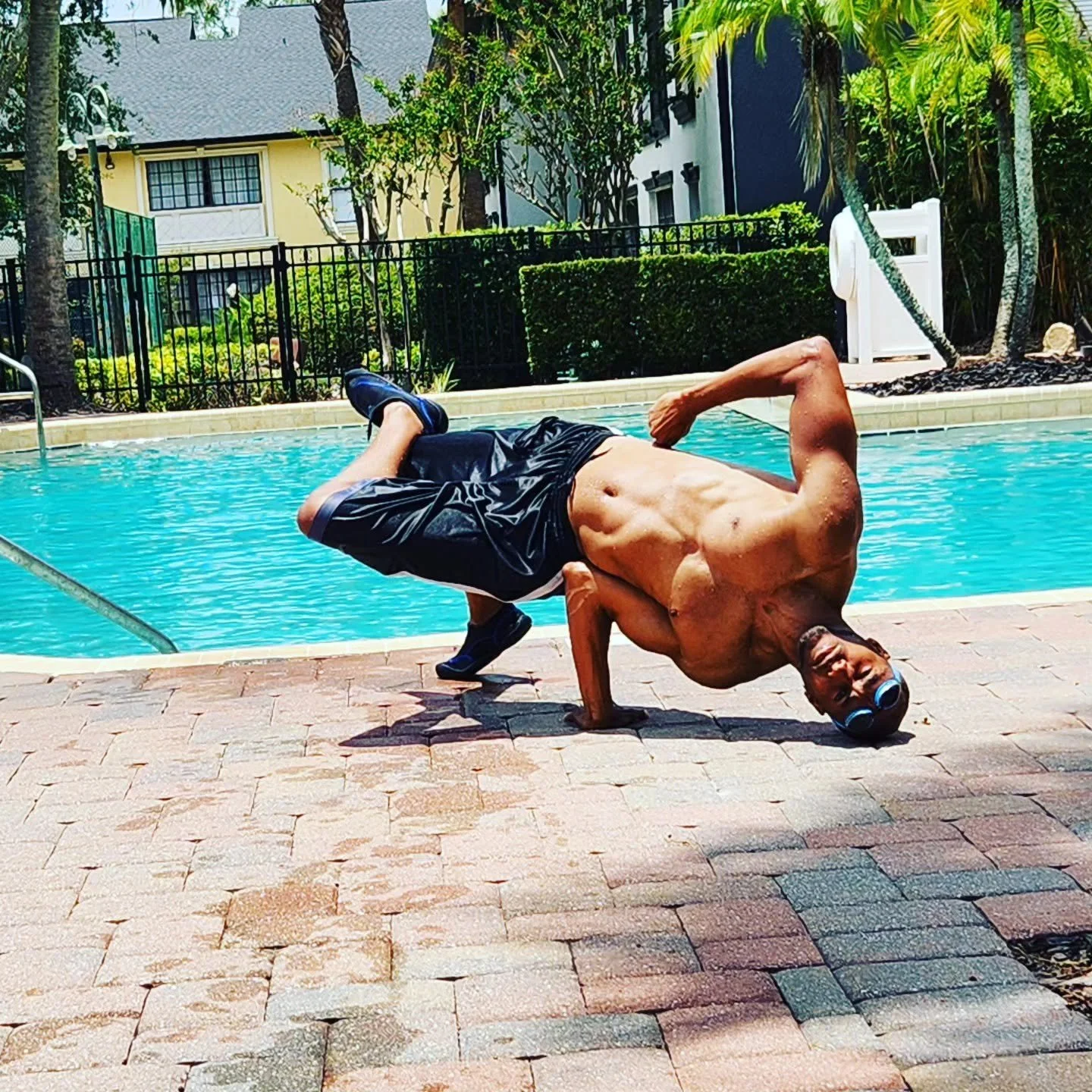
Healthy Living: General Fitness advice By D.L.L.
Athletic Advisory: Staying Strong, Healthy, and Injury-Free
Essential Tips for Dancers, Acrobats, and generally active people, by Daddy Long Leggs (Certified PT & Nutrition coach)
Whether you practice breaking, contemporary hip-hop, other dance styles, or another athletic discipline, taking care of your body is essential to longevity, performance, and injury prevention. Your body is your instrument. Train smart, recover properly, and respect your limits.
1. Proper Nutrition and Hydration
Eat balanced meals: Include lean protein, fruits, vegetables, whole grains, and healthy fats to fuel your body.
Fuel your training: Eat carbohydrates before intense sessions and protein with carbohydrates afterward to support recovery.
Stay hydrated: Drink water throughout the day and during practice. For long, intense sessions, consider electrolytes.
Avoid training on empty: Give your body enough energy to perform safely and recover effectively.
2. Rest and Recovery
Get 7–9 hours of sleep: Most adults need this amount for muscle recovery, coordination, and overall health. Teenagers generally need more.
Schedule rest days: Give your muscles, joints, and nervous system time to recover from intense training.
Listen to your body: Persistent pain, unusual fatigue, or declining performance may indicate that you need rest or professional evaluation.
Avoid overtraining: More practice is not always better. Consistent recovery helps you improve over time.
3. Strength and Conditioning
Build a strong foundation: Train your core, legs, back, shoulders, wrists, and arms to support balance, control, and power.
Train progressively: Increase resistance, repetitions, and training difficulty gradually rather than doing too much too soon.
Focus on proper technique: Quality movement is more valuable than lifting heavier weights or completing more repetitions with poor form.
Condition for your discipline: Breakers should pay particular attention to wrist, shoulder, core, and hip strength because of the demands of freezes, power moves, and floorwork.
4. Stretching and Mobility
Warm up before deep stretching: Avoid forcing cold muscles into intense stretches.
Use dynamic movements before practice: Leg swings, arm circles, controlled lunges, and hip rotations help prepare your body for movement.
Practice flexibility consistently: Improve your range of motion gradually without bouncing or forcing a stretch.
Stretch after training if comfortable: Gentle static stretching can help maintain flexibility, but never force a painful position.
5. Warm-Up Before Dancing
Allow 5–10 minutes or more: Begin with light jogging, brisk walking, bouncing, or other easy movements to raise your body temperature.
Activate key muscle groups: Prepare your wrists, shoulders, core, hips, knees, and ankles for the movements you plan to perform.
Progress from simple to complex: Start with basic steps and footwork before advancing to freezes, power moves, flips, or explosive combinations.
Increase intensity gradually: Do not begin a session with your most demanding moves.
6. Cool-Down After Training
Gradually reduce intensity: Finish with lighter movement rather than stopping abruptly after an intense session.
Use gentle mobility and stretching: Focus on areas that feel tight without pushing into pain.
Rehydrate and refuel: Replace fluids and eat a balanced meal or snack to support recovery.
Check in with your body: Pay attention to soreness, swelling, restricted movement, or recurring discomfort.
7. Injury Prevention and Training Safety
Use appropriate flooring: Practice on a suitable, clean, nonslip surface with enough space to move safely.
Learn difficult moves progressively: Build the strength, coordination, and technique needed before attempting advanced skills.
Use proper protection and supervision: Seek qualified instruction and appropriate spotting for high-risk movements.
Never ignore sharp pain: Stop when an injury is suspected. Seek medical evaluation for significant or persistent symptoms.
Respect your limits: Fatigue can reduce coordination and increase the risk of falls, failed freezes, and poorly controlled landings.
Final Advice!
Train with discipline. Eat with purpose. Sleep with intention. Recover with patience.
For dancers and athletes, longevity matters just as much as talent. The goal is not simply to perform at your highest level today, but to protect your body so you can keep dancing, competing, and improving for years to come.
Take care of your body, respect the culture, and keep moving safely.